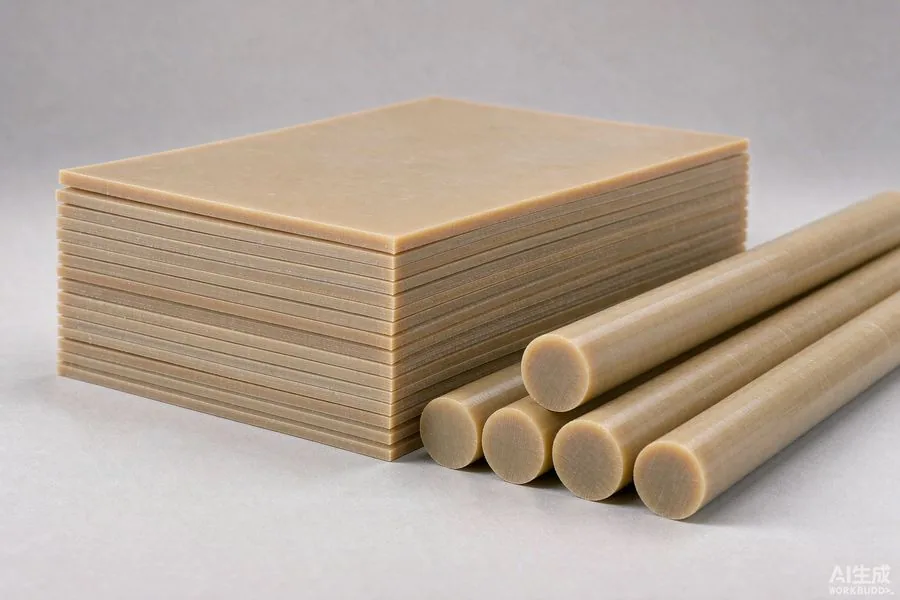
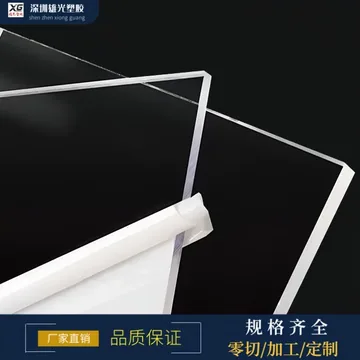
PET sheet
engineering plastics
HDPE is a high-crystallinity, non-polar thermoplastic resin. The original HDPE has a milky white appearance, and thin sections are semi-transparent to some extent. HDPE has excellent resistance to most household and industrial chemicals. Certain types of chemicals can cause chemical corrosion, but this polymer is non-hygroscopic and has good water vapor barrier properties, ...
Features:High mechanical strength, rigidity and hardness. Good sliding performance and wear resistance, good electrical insulation, excellent creep resistance, low and stable friction coefficient, excellent wear resistance (better than nylon), very good dimensional stability.
Application:Widely used in textile, papermaking, food machinery, transportation, docks, coal mining, medical, chemical industries. Bearings, guides, food processing machine heads, pistons, screw rolls, etc., food...
PPSU plate
engineering plastics
PPSU is a product of the Polysulfone (PSF) series, a novel thermoplastic engineering plastic. It refers to a non-crystalline polymer compound with sulfone groups and aromatic nuclei in its main molecular chain.
Features:Sulfone resin is an amorphous thermoplastic with high transparency; high hydrolytic stability: products can withstand repeated steam sterilization (lifetime of at least 12 years under 145℃ steam), rigidity and toughness: can be used in a wide range...
Application:
Synthetic slate
engineering plastics
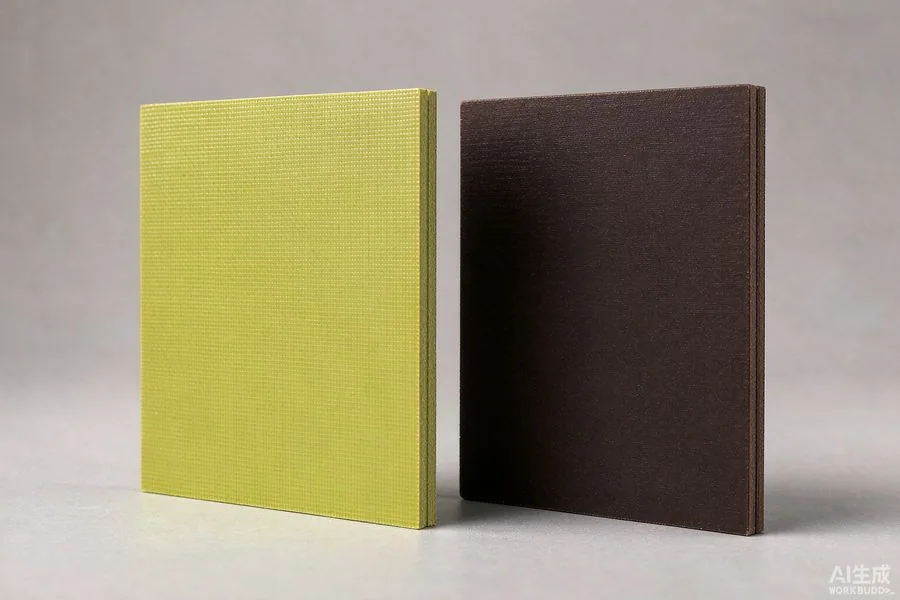
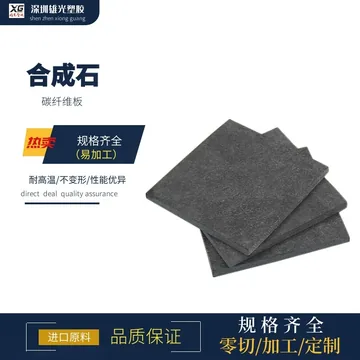
Carbon fiber plate (synthetic stone) is a composite material made of glass fiber and high mechanical strength resin, with a black color.
Features:
Application:Complete SMT process design. Automatic placement of electronic components. Manual component placement. Wave soldering. Solder paste screen printing. SMT surface mount technology. Infrared reflow curing.
silicone board
engineering plastics
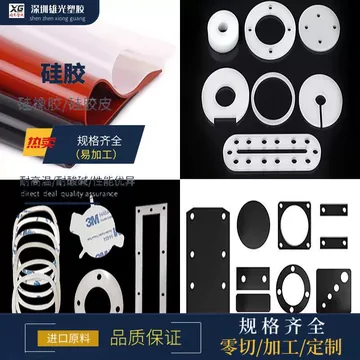
The board surface should be pure white, flat, and uniform, with fine texture. The main component is SiO2·nH2O, with stable chemical properties. It does not react with other acids or bases except strong alkalis and hydrofluoric acid (but experience shows: it is not corrosion-resistant in 40% concentrated acid mist at 60℃). Thin-layer chromatography silica gel plates can be directly used for qualitative or quantitative analysis of various types of organic substances...
Features:
Application:
PES board
engineering plastics
(Polyether sulfone resin, PES) is a thermoplastic polymer material with excellent overall performance, developed by the British ICI Company in 1972. It is one of the few special engineering plastics currently in use. It has excellent heat resistance, physical and mechanical properties, and insulation properties, especially it can be used...
Features:Heat resistance: The heat distortion temperature is between 200~220℃, the continuous use temperature is between 180~200℃, and the UL temperature index is 180℃. Hydrolysis resistance: It can withstand hot water or steam at 150~160℃, and in high...
Application:
UPE board
engineering plastics
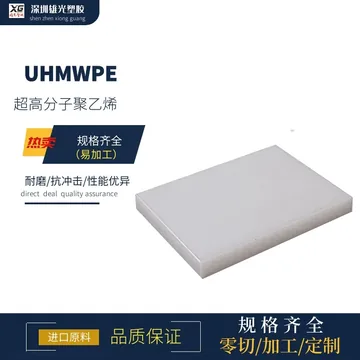
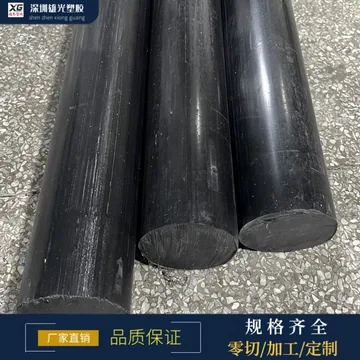
It is a thermoplastic engineering plastic with a molecular weight higher than 1.5 million. Its molecular chain length is 10–20 times that of high-density polyethylene. The longer molecular chain (higher molecular weight) gives UHMWPE its main advantages in toughness, wear resistance, and resistance to stress cracking. As it is a type of polyethylene, UHMWPE also has lubricity, heat resistance, and...
Features:
Application:Wear resistance exceeds that of carbon steel, suitable for gears, bearings, bushings, star wheels, valves, pumps, guides, packing, equipment linings, sliding plates, artificial joints, ropes, etc.
PPO board
engineering plastics
It has the advantages of high rigidity, high heat resistance, flame resistance, high strength, and excellent electrical properties. In addition, polyphenylene ether also has the advantages of wear resistance, non-toxicity, and resistance to contamination.
Features:PPO and PPE are thermoplastic engineering plastics with excellent overall performance, characterized by outstanding electrical insulation and water resistance, as well as good dimensional stability. The structure has a glass transition temperature of about 210°C, a melting temperature of 257°C, and a density...
Application:Pure PPO material has the disadvantages of poor melt flowability and high price. Products sold in the market are all its improved versions, which have excellent comprehensive properties and are widely used...
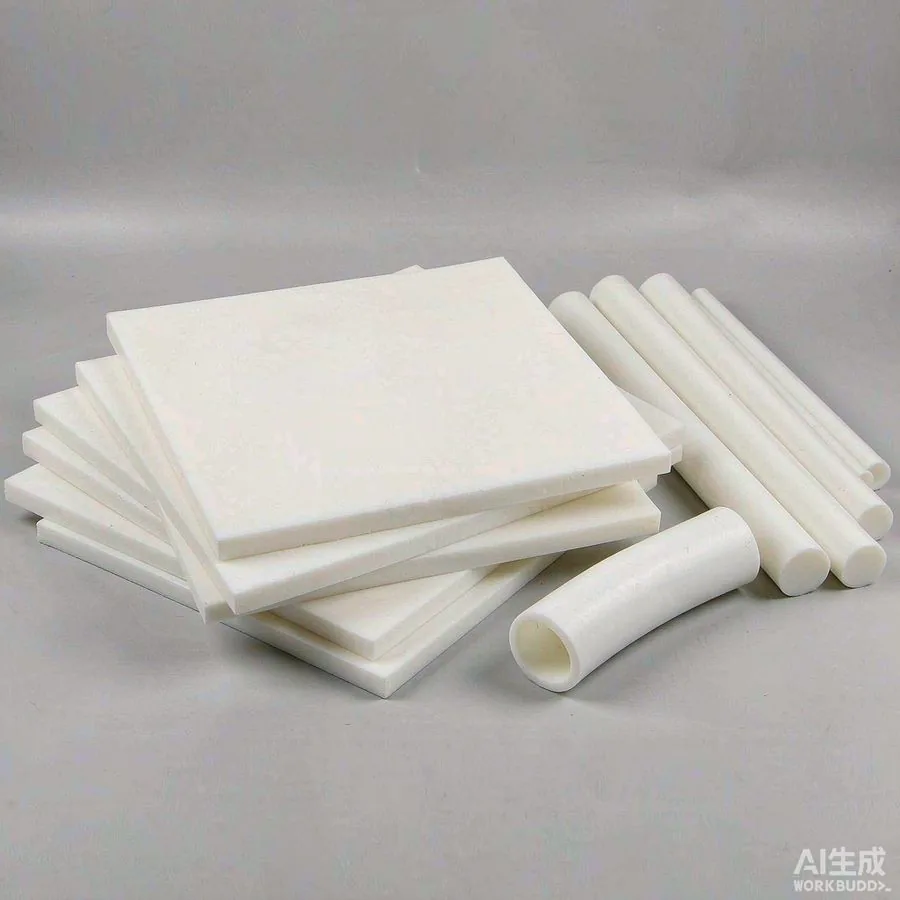
PETP board
engineering plastics
PETP sheets are mainly produced by extruding polyester raw materials through an extruder at high temperatures, and by using different diameter molds to produce sheets of various thicknesses. The main components include polyethylene terephthalate (PET) and polybutylene terephthalate (PBT). Polyethylene terephthalate is also commonly known as polyester resin. It is a product of...
Features:High mechanical strength, rigidity and hardness. Good sliding performance and wear resistance, good electrical insulation, excellent creep resistance, low and stable friction coefficient, excellent wear resistance (better than nylon), very good dimensional stability.
Application:Widely used in textile, papermaking, food machinery, transportation, docks, medical, coal mining, chemical industries. Bearings, guides, food processing machine heads, pistons, screw rolls, etc., food...
PBT board
engineering plastics
It is an engineering plastic profile made of crystalline thermoplastic polyester. It is hard, has good rigidity, high strength, toughness, low friction coefficient, and high dimensional stability. Its operating temperature ranges from -40 degrees to +110 degrees.
Features:
Application:
PC board
engineering plastics
Polycarbonate (PC) is a high molecular polymer with carbonate groups in its molecular chain. According to the structure of the ester group, it can be divided into aliphatic, aromatic, and aliphatic-aromatic types. Due to the lower mechanical properties of aliphatic and aliphatic-aromatic polycarbonates, their application in engineering plastics is limited. Currently, only aromatic...
Features:Mechanical properties: high strength, fatigue resistance, dimensional stability, low creep (minimal changes even under high temperature conditions);
Application:Automotive industry and electronics, electrical appliances industry, liquid crystal displays, industrial machinery parts, mirror plating, various nameplates, printing, membrane switches, nameplates, protective face shields, etc. Instrument inspection...
ABS sheet
engineering plastics
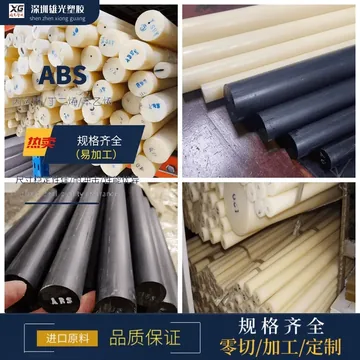
ABS is currently the polymer with the largest production volume and the widest range of applications. It organically integrates the various properties of PS, SAN, and BS, offering excellent mechanical properties with a balanced combination of toughness, hardness, and rigidity. Operating temperature: from -50 degrees to +120 degrees.
Features:
Application:Car parts (dashboard, tool compartment door, wheel cover, mirror box, etc.), radio case, telephone handset, high-strength tools (vacuum cleaner, hair dryer, mixer, ...)
CPVC board
engineering plastics
CPVC board product is deep gray or light gray, odorless, non-toxic, loose granules or powder. After chlorination, the irregularity of the molecular bonds of PVC resin increases, and the polarity increases, which increases the solubility of the resin and the chemical stability, thereby improving the material's heat resistance, resistance to acids, bases, salts, and oxidants. CPV...
Features:CPVC board has excellent heat resistance, outstanding corrosion resistance, dimensional stability, ease of processing, and excellent flame retardancy. CPVC board has strong corrosion resistance: it is most suitable for corrosion-resistant equipment. It is easy to process, cut, weld, bend...
Application:Pump, valve, seal, bearing guard, pipeline, hand lamp housing (for car repair), brush manufacturing industry, bowden wire dental instruments, seat rail, drilling mud core sleeve, ...
FR-4 board
engineering plastics
Polytetrafluoroethylene (PTFE) is a synthetic fluoropolymer of tetrafluoroethylene. It is known for its low friction, chemical inertness, and excellent dielectric properties. It is used in a wide range of applications, including bearings, seals, and coatings. It is also used in medical devices and food processing equipment due to its non-reactive nature.
Features:
Application:Good electrical insulation performance, flatness, smooth surface, no pits, thickness tolerance exceeds the standard, suitable for application in high-performance electronic insulation products, such as FPC reinforcement.
Teflon board
engineering plastics
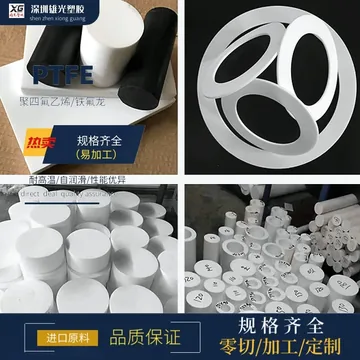
Mainly produced by extruding polyester raw materials through an extruder at high temperature, and by extruding through different diameter molds to obtain plates of different thicknesses. The main components include polyethylene terephthalate (PET) and polybutylene terephthalate (PBT) resins. Polyethylene terephthalate is also known as polyester resin, commonly known as polyester resin. It is made from terephthalic acid and ethylene glycol...
Features:The temperature range of use is very wide (from -180°C to +250°C). It is basically resistant to all chemicals except some fluorides and alkaline metal liquids. Excellent mechanical properties including resistance to aging.
Application:PTFE and Teflon can be processed by extrusion or extrusion molding; used in high-temperature wires, they can also be first made into films and then slit into spools of PTFE tape for production...
HDPE sheet
engineering plastics
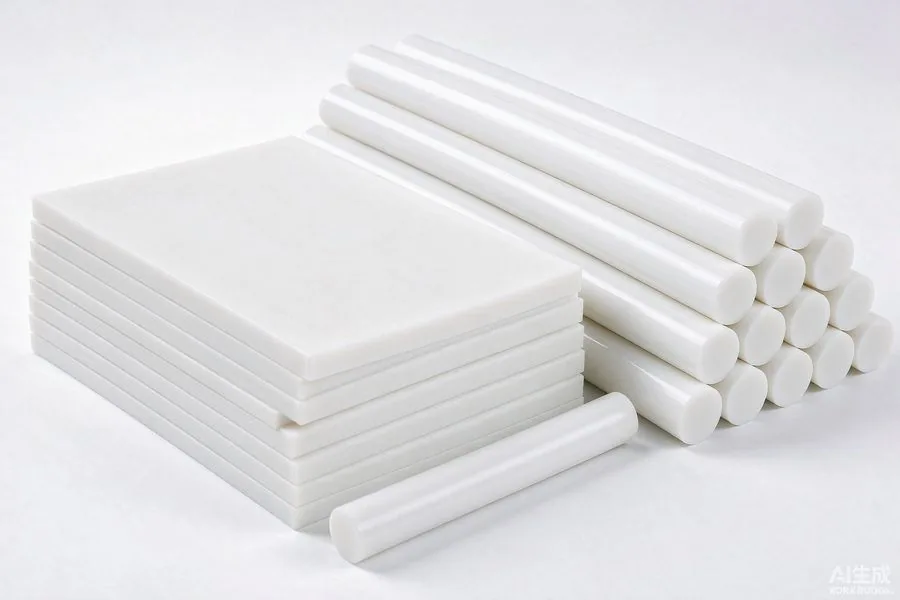
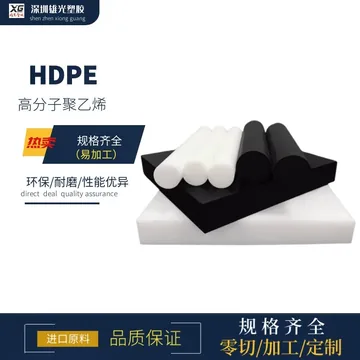
HDPE is a high-crystallinity, non-polar thermoplastic resin. The original HDPE has a milky white appearance, and thin sections are semi-transparent to some extent. HDPE has excellent resistance to most household and industrial chemicals. Certain types of chemicals can cause chemical corrosion, but this polymer is non-hygroscopic and has good water vapor barrier properties, ...
Features:The unique properties of various grades of HDPE result from the appropriate combination of four basic variables: density, molecular weight, molecular weight distribution, and additives. Different catalysts are used to produce polymers with customized special properties. These variables combined...
Application:HDPE is resistant to many different solvents and has a wide range of applications, including: arena boards (hockey boards) backpack frames, bottle caps, chemically resistant piping systems...
PE board
engineering plastics
High toughness, tensile strength, corrosion resistance, low temperature resistance, and good wear resistance. Widely used in chemical industry, clothing, packaging, food and other fields.
Features:PE boards have excellent resistance to most household and industrial chemicals. This polymer is non-hygroscopic and has good water vapor barrier properties, making it suitable for packaging applications. PE exhibits good electrical properties, especially high dielectric strength.
Application:Medical device components, seals, cutting plates, sliding profiles. Widely used in chemical, mechanical, chemical, power, clothing, packaging, food industries. Widely used in gas transmission...
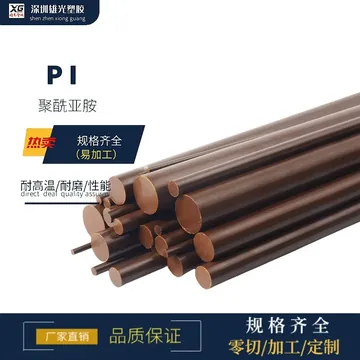
PI board
engineering plastics
Polyimides are one of the best organic polymer materials in terms of comprehensive performance, with heat resistance above 400℃, a long-term usage temperature range of -200 to 300℃, no obvious melting point, high insulation properties, a dielectric constant of 4.0 at 103 Hz, and a dielectric loss of only 0.004 to 0.007, belonging to F to H class insulation materials.
Features:1. Mechanical properties, good fatigue resistance, and excellent self-lubricating properties; the tensile strength of the meta-phenylene polyimide film can reach 170 MPa, and the biphenyl type can reach 400 MPa. 2. Wear resistance, low coefficient of friction and...
Application:High-temperature resistant polyimide super engineering plastics possess many excellent properties that other engineering plastics do not have: heat resistance, low-temperature resistance, corrosion resistance, self-lubrication, low wear, mechanical properties...
PVC board
engineering plastics
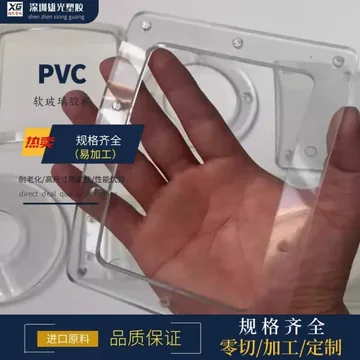
Adopting a unique ultra-weather-resistant and anti-aging formula design, practical verification has shown that it performs well under various climate conditions, including Russia, mainland China, southeast coastal areas, and Southeast Asia.
Features:Waterproof, fire-resistant, acid and alkali resistant, anti-termite, lightweight, thermal insulation, soundproofing, vibration damping, can be processed in the same way as wood, and its processing performance is far superior to that of wood, making it an ideal alternative to wood, aluminum and composite panels.
Application:Photo developing equipment, battery cases, speaker cabinet top covers, radio base plates, various electrical insulation boards, cement trough linings, locomotive windshields, exhaust gas duct engineering, engineering...
Laminated board
engineering plastics
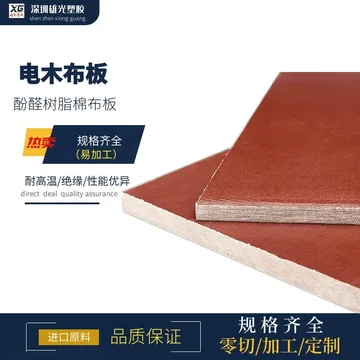
Using high-quality bleached kraft paper and cotton pulp paper as reinforcing materials, and using phenolic resin made from high-purity, fully synthetic petrochemical raw materials as the resin adhesive. Phenolic boards: Phenolic boards are used as insulating switches and variable resistors in electronic products due to their insulation properties, no static electricity generation, wear resistance, and heat resistance. They are also used for mechanical molds...
Features:Excellent electrical performance at room temperature, good mechanical machining performance, specific gravity 1.45, warpage ≤3‰, with good electrical, mechanical, and machining properties. Paper phenolic board is the most common laminated board, and also the most widely used in the world...
Application:Good mechanical strength, electrostatic protection, medium electrical insulation, made by impregnating insulating kraft paper with phenolic resin, then baking and hot pressing. The product is suitable for applications with moderate mechanical performance requirements...
Nylon plate
engineering plastics
Monomer cast nylon is called in Chinese. "Replace steel with plastic, excellent performance," with extremely wide range of applications. It has many unique properties such as light weight, high strength, self-lubrication, wear resistance, corrosion resistance, and insulation. It is a widely used engineering plastic, almost present in all industrial fields.
Features:High mechanical strength, rigidity, hardness, toughness, good aging resistance, good mechanical vibration damping capability, good sliding performance, excellent wear resistance, good mechanical machining performance, used for precise effective control, no creep phenomenon, wear resistance...
Application:Widely used in chemical machinery, corrosion-resistant equipment, gear and parts blanks. Wear-resistant parts, transmission structural components, household appliance parts, automotive manufacturing parts, lead screw prevention mechanical parts...
PAI board
engineering plastics
A new type of engineering plastic containing amide groups. Due to the highly stable aromatic heterocyclic structure in polyimide molecules, it exhibits superior heat resistance and low-temperature resistance that cannot be compared with other polymer materials, and has excellent mechanical properties and dimensional stability in high-temperature environments.
Features:Air allows for very high working temperatures, with the best dimensional stability in the temperature range of 250 ℃, excellent wear and friction resistance, outstanding anti-tracking properties, superior resistance to high energy radiation, and inherent low...
Application:PAI is commonly used in the manufacture of precision parts for high-tech equipment and in applications requiring extremely high wear resistance, in the electronics and semiconductor industries. Used in high-temperature, high-vacuum, strong radiation, and ultra...
PMMA Sheet
engineering plastics
Polymethyl methacrylate (PMMA) has good comprehensive mechanical properties and ranks among the best in general-purpose plastics. Its tensile, bending, and compressive strengths are higher than those of polyolefins, as well as those of polystyrene and polyvinyl chloride. Its impact toughness is relatively poor, but it is slightly better than that of polystyrene. Cast bulk polymerized PMMA sheets (e.g., aircraft-grade organic glass sheets) have...
Features:Adopting new polyester materials, formed by heat bending or flat edging, with a metal base containing built-in lighting, creating a strong visual impact. Weather resistance: the panel is coated with high concentration UV absorbers, and the metal base is sprayed with imported automotive paint. Acrylic...
Application:Building applications: show windows, sound-insulating doors and windows, light domes, telephone booths, etc.
PVDF sheet
engineering plastics
It has higher rigidity and pressure resistance than similar polytetrafluoroethylene, but its smoothness and electrical insulation are slightly inferior. It has high strength and toughness under low-temperature conditions and can self-extinguish. Its working temperature ranges from -60℃ to +150℃. PVDF remains stable to chlorides, bromides, and energy radiation. At high temperatures, esters and ketones...
Features:PVDF (polyvinylidene fluoride) has the strongest toughness among fluoroplastics, with low friction coefficient, strong corrosion resistance, good aging resistance, weather resistance, and excellent radiation resistance.
Application:In the electronics industry, such as semiconductor and liquid crystal related devices, chemical equipment, food processing machines, packaging machines, various parts, pipes, seals, pump components,...
PEI board
engineering plastics
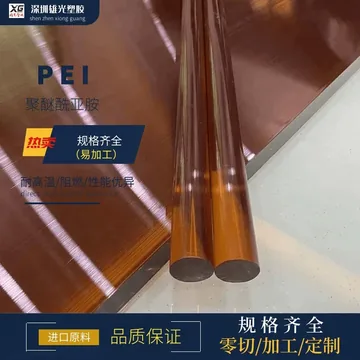
PEI plates belong to amorphous plastics. They are a high-performance amorphous polymer, manufactured by extruding engineering plastics made from amorphous PEI through an extruder at high temperatures. Currently, the commonly used PEI plates are made from raw materials produced by American GE (trade name Ultem), and American GE Company began researching and developing PEI in 1972.
Features:Possesses excellent heat resistance and dimensional stability, as well as chemical resistance, flame retardancy, electrical properties, high strength, and high rigidity. It not only offers high mechanical performance but also exhibits excellent thermal and chemical stability (continuous use temperature up to...
Application:
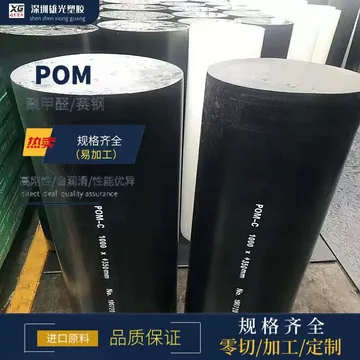
POM board
engineering plastics
POM has good comprehensive properties and is the hardest among thermoplastic materials. It is one of the plastic materials whose mechanical properties are closest to those of metals. Its tensile strength, flexural strength, fatigue resistance, wear resistance and electrical properties are all very excellent. It can be used for a long time between -40 degrees and 100 degrees.
Features:High mechanical strength, high rigidity, high hardness, excellent elasticity, sliding properties and wear resistance, good creep resistance, even at low temperatures, high impact strength, very good dimensional stability, excellent mechanical properties, physiological inertness, ...
Application:POM is widely used in the manufacture of various sliding and rotating mechanical parts, precision components, gears, bearings, etc. Industries using POM include automotive, electronics, apparel, medical, machinery, sports equipment...
PSU board
engineering plastics
PSU (polysulfone) is a slightly amber-colored amorphous transparent or semi-transparent polymer with good radiation stability, low ionic impurities, and excellent chemical and hydrolytic resistance.
Features:The maximum allowable working temperature in air is very high (can work continuously at 150 degrees). High thermal stability, hydrolysis resistance, low molding shrinkage, non-toxic, radiation resistance, flame retardant, and self-extinguishing. Over a wide range of temperatures and frequencies...
Application:Electronic insulating components are widely used in food processing equipment, such as machinery, pumps, valves, filters, heat exchangers, and also commonly used in medical devices related to repeated cleaning and disinfection...
PPS board
engineering plastics
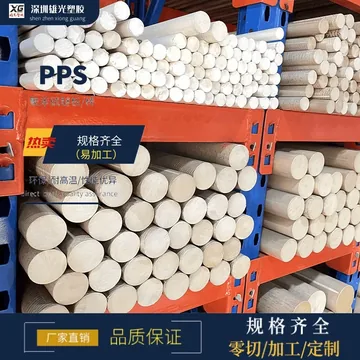
PPS, also known as polyphenylene sulfide. Manufacturer: Taiwan plates: thickness (0.25~50㎜)*width 1200㎜*length 1200㎜. Rods: diameter (10~100㎜)*length 1000㎜. Mainly composed of polyphenylene sulfide. It has excellent heat resistance, chemical resistance, and flame resistance. It is widely used in the chemical, petrochemical, and automotive industries.
Features:The maximum allowable working temperature in air is very high (can operate continuously at 240℃, and short-term up to 260℃), maintaining high mechanical strength, rigidity and hardness at high temperatures, excellent chemical corrosion resistance and hydrolysis resistance (...
Application:Electronics and Electrical: Miniature electronic component packaging, coil bobbins, motor housings, relays, trimmer capacitors, etc. Precision Instruments: Computers, timers, copiers, temperature...
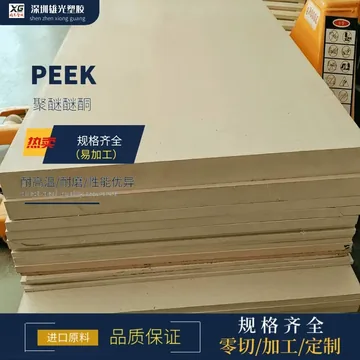
PEEK plate
engineering plastics
The material exhibits excellent dielectric properties before the temperature reaches 260 degrees and can resist exposure to energy rays. PEEK is a new semi-crystalline aromatic thermoplastic engineering plastic synthesized by condensation reaction of 4,4'-difluorobenzophenone with hydroquinone in the presence of alkali metal carbonates, using diphenyl sulfone as the solvent.
Features:The maximum allowable working temperature in air is very high (can operate continuously at 260 degrees, and up to 310 degrees for short periods), high mechanical strength, rigidity and hardness, heat resistance, excellent chemical resistance and hydrolysis resistance, excellent...
Application:PEEK is widely used in aerospace, medical, semiconductor, pharmaceutical, and food processing industries, such as gas distribution instrument components on satellites, heat exchanger blades; because...
Antistatic POM sheet
Anti-static
Antistatic POM sheet is produced by extruding POM plastic particles through an extruder at high temperature, and then extruding them through the appropriate die to obtain sheets of different thicknesses. It is a thermoplastic engineering plastic with a high melting point and high crystallinity.
Features:
Application:Polyoxymethylene exhibits excellent resistance to solvents, oils, weak acids, and weak bases. It has superior physical, mechanical, thermal, and electrical properties, as well as good resistance to organic solvents and wear.
Anti-static phenolic board
Anti-static
Inherent properties of anti-static phenolic board: high mechanical strength, superior wear resistance, medium electrical insulation.
Features:High mechanical strength, excellent wear resistance, medium electrical insulation
Application:PCB drilling, fixture, distribution panel, mechanical parts, test bench, SMT technology workbench.
Epoxy board
engineering plastics
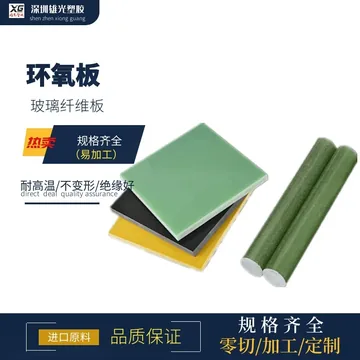
Epoxy resins refer generally to organic polymers containing two or more epoxy groups. With the exception of a few, their molecular weights are not very high. The molecular structure of epoxy resins is characterized by the presence of active epoxy groups along the molecular chain. These epoxy groups can be located at the end, in the middle, or in a ring structure of the molecular chain. Due to the molecular structure...
Features:1. Diverse forms. Various resin, curing agent, and modifier systems can almost meet the requirements of different applications, ranging from extremely low viscosity to high melting point solids. 2. Easy curing. Various options are available...
Application: